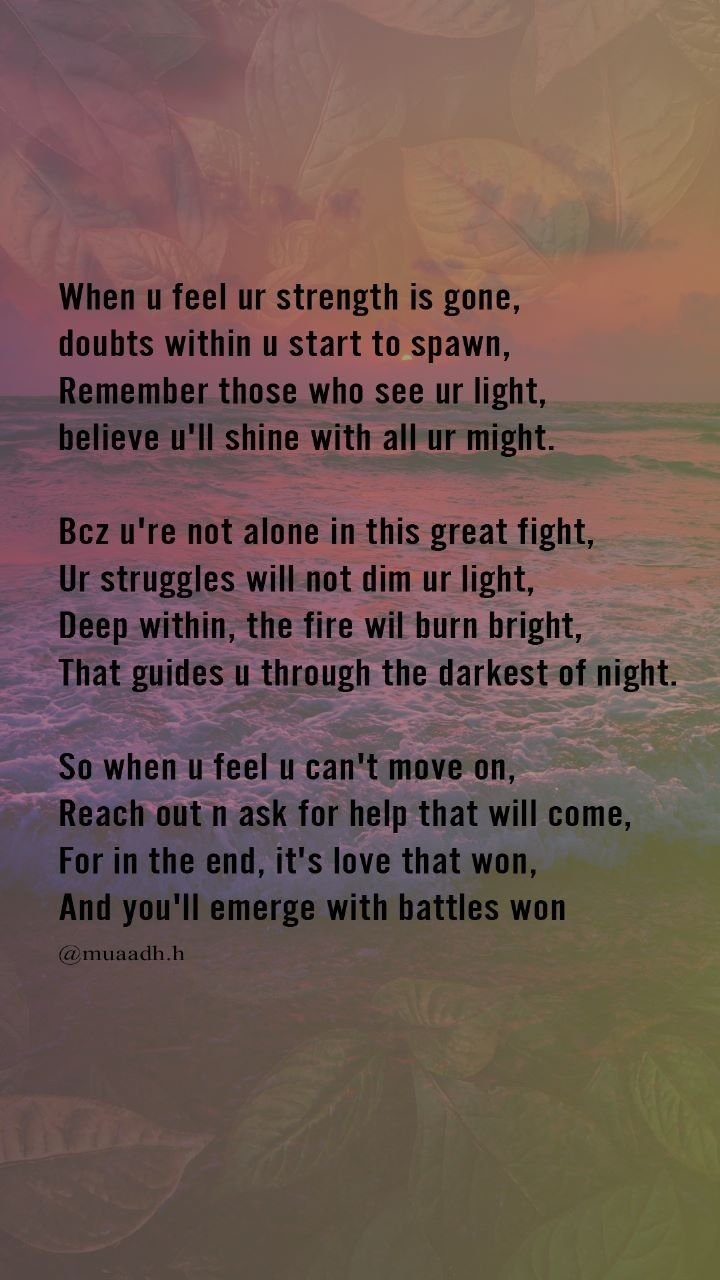
Imagine a small, unwavering flame in the darkest storm, refusing to be extinguished. That, in essence, is the spirit of 'Niño de Fuego'—a powerful metaphor for Resilience & Overcoming Adversity. It speaks to an inner fire, a tenacious spirit that doesn't just endure hardship but transforms it into fuel for growth. This isn't about ignoring pain or pretending challenges don't exist; it's about harnessing a profound inner strength to navigate life's inevitable trials and emerge stronger, wiser, and more capable.
Life, as we know, doesn't spare anyone from its storms. From minor setbacks to life-altering crises, adversity is a universal constant. But how we respond to these moments defines our path. Do we crumble under the pressure, or do we, like the 'Niño de Fuego,' find the resilience to rise from the ashes, adapt, and shine even brighter? This guide will explore the profound nature of this spirit, offering practical insights and actionable strategies to cultivate your own capacity for resilience.
At a Glance: Igniting Your Inner Fire
- Resilience isn't just bouncing back; it's bouncing forward. It’s about learning and growing through hardship.
- Key traits include optimism, strong problem-solving, emotional regulation, adaptability, and self-belief.
- Spirituality and purpose can be powerful internal anchors during tough times.
- Cultivating resilience is a skill, not an innate trait. You can learn and practice it.
- Practical strategies involve building relationships, mindfulness, self-care, and reframing challenges.
- The benefits ripple across your life: better mental health, physical well-being, career success, and stronger relationships.
- The 'Niño de Fuego' spirit is about finding and nurturing the unyielding flame within you.
What Does Resilience Truly Mean? More Than Just Bouncing Back
At its core, resilience is the remarkable human capacity to adapt to change, recover from setbacks, and continue moving forward in the face of adversity. It's the ability to not just survive challenges, but to thrive despite them. Think of a mighty oak tree bending in a hurricane rather than snapping; it sways, it groans, it loses a few leaves, but its roots hold firm, and it stands tall once the storm passes.
Many people mistakenly view resilience as an absence of struggle or emotional pain. On the contrary, truly resilient individuals feel the sting of hardship, experience grief, frustration, and fear, but they possess the internal mechanisms to process these emotions, learn from the experience, and purposefully re-engage with life. It's about developing a robust toolkit of strengths and skills that allow you to deal with challenges effectively, rather than being overwhelmed or paralyzed by them. This process of recovery and growth is what truly embodies the spirit of 'Niño de Fuego'—a force that turns pressure into power.
The Hallmarks of an Indomitable Spirit: Traits of the Resilient
What sets a 'Niño de Fuego' apart? It's not superhuman strength or an absence of fear, but a collection of identifiable traits that allow them to navigate difficult waters with greater agility and grace. These aren't genetic gifts but cultivated habits and mindsets.
A Beacon of Optimism & Positive Thinking
Resilient individuals often possess a hopeful outlook, believing that difficulties are temporary and solvable. This isn't naive positivity; it's an active choice to focus on what can be done, rather than dwelling on what's lost or impossible. They see the glimmer of possibility even in darkness, understanding that every ending is also a new beginning.
Sharpened Problem-Solving Skills
When faced with obstacles, the resilient don't just lament; they analyze. They break down complex problems into manageable parts, brainstorm solutions, and are willing to experiment with different approaches. They view challenges as puzzles to be solved, engaging their intellect and creativity.
Masterful Emotional Regulation
This isn't about suppressing emotions, but rather understanding and managing them effectively. Resilient people acknowledge their feelings—anger, sadness, fear—but prevent these emotions from overwhelming their judgment or driving self-defeating behaviors. They have healthy outlets and coping mechanisms, allowing them to feel deeply without getting stuck.
The Power of Adaptability
Change is the only constant, and the 'Niño de Fuego' spirit embraces this truth. Resilient individuals are flexible, open to new information, and willing to adjust their plans when circumstances shift. They don't rigidly cling to what was but pivot towards what can be, seeing new paths where others see dead ends.
Unwavering Self-Confidence
A deep belief in one's own capabilities is a cornerstone of resilience. This self-confidence isn't arrogance; it's a grounded understanding of one's strengths, a trust in one's judgment, and an acceptance of one's limitations. It’s knowing you can handle whatever comes your way, even if it's messy.
Robust Social Support Networks
No one is an island, especially not in times of crisis. Resilient individuals actively cultivate and lean on strong relationships with family, friends, mentors, and community members. These networks provide comfort, practical assistance, diverse perspectives, and a vital sense of belonging that bolsters their strength. The shared warmth of others can help keep your inner flame burning.
The Guiding Light of Spirituality and Purpose
For many, a sense of purpose or a spiritual framework provides an invaluable internal resource. This can manifest as religious faith, a belief in a higher power, or simply a deeply held set of values that gives life meaning. This "internal compass" offers hope, a sense of connection, and a framework for understanding suffering, helping individuals to cope with adversity by grounding them in something larger than themselves. It provides an enduring reason to persevere, reinforcing the spirit of 'Niño de Fuego' from within.
Igniting Your Inner Niño de Fuego: Practical Strategies for Cultivating Resilience
Resilience isn't an inherited trait; it's a muscle you can train and strengthen. Just like learning to walk or ride a bike, it takes conscious effort, practice, and a willingness to stumble and get back up. Here's how you can start cultivating your own 'Niño de Fuego' spirit.
Build Strong, Meaningful Relationships
Human connection is a fundamental pillar of resilience. Actively invest in your relationships. Reach out to friends and family, offer support, and don't be afraid to ask for it when you need it. Strong bonds provide a vital safety net, a source of comfort, and diverse perspectives during tough times. They remind you that you're not alone in your struggles.
Practice Mindfulness and Presence
Mindfulness is the practice of being fully present in the moment, observing your thoughts and feelings without judgment. This simple yet profound practice can help regulate emotions, reduce stress, and improve your ability to respond thoughtfully rather than react impulsively. Try short meditations, deep breathing exercises, or simply taking a few moments each day to quietly observe your surroundings. This can help you recenter when your inner flame feels like it's flickering.
Maintain Perspective: Challenges as Opportunities
It's easy to get lost in the immediate pain of a setback. However, a hallmark of resilience is the ability to zoom out and view challenges as temporary events or even opportunities for growth. Ask yourself: "What can I learn from this? How might this experience make me stronger in the long run?" Reframing adversity isn't about denial; it's about finding the silver lining or the hidden lesson, much like a fire refines metal.
Set Realistic, Achievable Goals
When facing a daunting challenge, it can feel overwhelming. Break down larger goals or problems into smaller, more manageable tasks. Celebrate small victories along the way. This builds momentum and reinforces your sense of accomplishment, proving to yourself that you can make progress, even if it's incremental. This steady progress helps maintain the 'Niño de Fuego' spirit, especially when the path ahead seems long.
Prioritize Self-Care: Fueling Your Flame
You cannot pour from an empty cup. Self-care isn't selfish; it's essential for building and maintaining resilience. This includes:
- Nutrition: Fuel your body with healthy, nourishing foods.
- Exercise: Physical activity is a powerful stress reducer and mood booster. Even a short walk can make a difference.
- Sleep: Prioritize adequate, restorative sleep. It's crucial for cognitive function and emotional regulation.
- Rest & Relaxation: Take time for hobbies, leisure, and activities that bring you joy and help you recharge.
Neglecting these basic needs drains your mental and emotional reserves, making you more vulnerable to stress and less capable of coping with adversity.
Embrace Change as a Natural Part of Life
Resilient individuals understand that change is inevitable. Instead of resisting it or lamenting the past, they cultivate an openness to new possibilities. They see change not as a threat but as a natural part of evolution and growth. This flexible mindset allows them to adapt quickly and effectively, finding new footing when the ground beneath them shifts. Just as a fire adapts to the fuel it consumes, embracing change allows your spirit to burn brightly in any circumstance.
Learn more about Niño de Fuego and the principles behind building this unwavering personal strength. Understanding its core tenets can be a powerful first step.
The Ripple Effect: How Resilience Transforms Your Life
Nurturing the spirit of 'Niño de Fuego' doesn't just help you get through tough times; it profoundly enhances every facet of your existence. The benefits ripple outwards, creating a more fulfilling, balanced, and successful life.
Mental Health: A Shield Against the Storm
Perhaps the most direct benefit, resilience equips you to handle stress and mental pressure more effectively. By fostering optimism, problem-solving skills, and emotional regulation, it significantly reduces the risk of anxiety, depression, and other stress-related mental health issues. Resilient individuals are better equipped to process trauma, manage grief, and maintain a positive outlook even in challenging circumstances. They develop a robust mental framework that allows them to acknowledge pain without being consumed by it.
Physical Health: A Stronger Body, A Stronger Mind
The mind-body connection is undeniable. Chronic stress, a direct result of unmanaged adversity, can wreak havoc on physical health, impacting everything from cardiovascular function to the immune system. Resilience, by helping to mitigate stress, is linked to better immune function, improved cardiovascular health, and overall physical well-being. A calm, resilient mind contributes to a healthier, more robust body, allowing your inner flame to burn steadily.
Career Success: Adaptability in a Dynamic World
In today's fast-paced, ever-changing professional landscape, resilience is an invaluable asset. Resilient employees are more adaptable to new technologies, market shifts, and unforeseen challenges. They are innovative problem-solvers, less likely to be derailed by setbacks, and more capable of learning from failures. This leads to increased productivity, better leadership skills, and ultimately, greater career success and satisfaction. Organizations increasingly value individuals who can demonstrate the 'Niño de Fuego' spirit, knowing they can navigate uncertainty.
Relationships: Forging Deeper Connections
Overcoming adversity often involves leaning on others and offering support in return. Resilience fosters stronger, more supportive relationships by encouraging open communication, empathy, and a willingness to work through difficulties together. It helps individuals maintain perspective during conflicts, forgive more readily, and appreciate the value of their social networks. A resilient spirit strengthens not just personal bonds but also contributes to more resilient communities.
Common Myths About Resilience: Separating Fact from Fiction
Despite its importance, resilience is often misunderstood. Let's dispel some common misconceptions:
Myth 1: Resilient People Don't Feel Pain or Get Upset.
Reality: This couldn't be further from the truth. Resilient individuals experience a full range of human emotions, including sadness, anger, and fear, often very intensely. The difference lies not in the absence of pain, but in their ability to acknowledge, process, and ultimately move through those emotions without being consumed by them. They grieve losses, feel frustrated by setbacks, but they don't let these feelings paralyze them.
Myth 2: Resilience is Something You're Born With.
Reality: While some people may have certain innate temperaments that lend themselves more easily to coping, resilience is overwhelmingly a learned and cultivated trait. It's a set of skills, attitudes, and behaviors that anyone can develop and strengthen over time with conscious effort and practice. Think of it like a muscle that grows stronger with consistent training.
Myth 3: Resilience Means Being Self-Sufficient and Never Asking for Help.
Reality: True resilience often involves the opposite. One of the strongest indicators of resilience is having robust social support networks and being willing to lean on them. Asking for help is a sign of strength, not weakness. It demonstrates self-awareness and an understanding of the power of community, crucial for keeping the 'Niño de Fuego' burning brightly.
Myth 4: Once You're Resilient, You're Always Resilient.
Reality: Resilience isn't a fixed state; it's an ongoing process. Life throws new challenges, and our capacity to cope can fluctuate based on circumstances, stress levels, and personal well-being. It requires continuous nurturing and practice. Just like physical fitness, you can't hit the gym once and expect to be fit for life. Maintaining your resilience is an active, lifelong endeavor.
Your Journey Forward: Embracing the Fire Within
The spirit of 'Niño de Fuego' is not a mystical quality reserved for a select few. It is an inherent human capacity, waiting to be recognized, nurtured, and ignited within each of us. Your journey toward greater resilience is a deeply personal one, requiring self-awareness, compassion, and a commitment to growth.
Start by identifying one or two strategies from this guide that resonate most with you, whether it's strengthening a friendship, dedicating five minutes a day to mindfulness, or simply reframing a recent setback as a learning opportunity. Small, consistent steps build powerful habits over time. Remember, resilience isn't about avoiding the fire; it's about learning to dance with it, to draw warmth from its flame, and to emerge from its embrace not unscathed, but transformed and brilliantly luminous.
Embrace the challenges, learn from the falls, and trust in your incredible capacity to recover, adapt, and shine. Your inner 'Niño de Fuego' is ready to guide you.