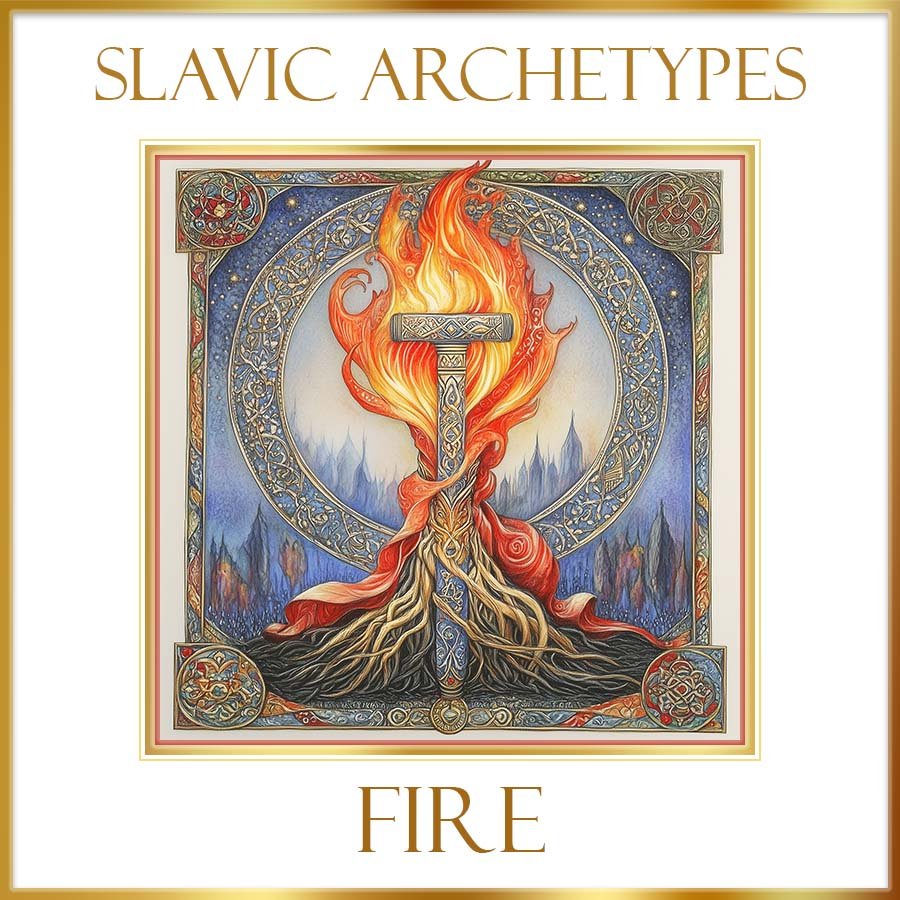
The flickering glow of a campfire, the fierce roar of a volcano, the gentle warmth of a hearth – fire has always commanded our attention, an elemental force that both creates and destroys. It’s no wonder that in the vast tapestry of human stories, we find the compelling presence of The Archetype of the 'Fire Child' in Mythology & Folklore. This isn't always a literal child, but a figure, spirit, or even an event imbued with the transformative, dangerous, and illuminating power of fire itself. They are the spark that ignites change, the force that purifies, and often, the untamed spirit that defies convention.
These 'Fire Children' are more than just characters; they are embodiments of fire's profound duality. They carry the essence of primordial energy, capable of building worlds from ash or reducing them to embers.
At a Glance: What Defines the Fire Child Archetype
- A Catalyst for Change: They disrupt the status quo, often bringing radical transformation.
- Embodies Dualities: Represents creation and destruction, warmth and danger, knowledge and chaos.
- Passionate & Intense: Driven by powerful, often volatile, emotions and unwavering will.
- A Source of Light & Knowledge: They illuminate truths, bring insight, or provide essential tools for progress.
- Often Rebellious: Challenges authority or established order, sometimes suffering for their defiance.
- Connected to the Divine: Their very nature can link mortal realms to sacred or cosmic forces.
- A Symbol of Rebirth: From their destructive power often springs renewal and purification.
The First Spark: Fire as a Genesis Force and the Archetype's Genesis
Before there were 'Fire Children,' there was fire itself – often depicted as the very genesis of existence. Across countless cultures, fire isn't just an element; it's the primordial spark, the light that pierced the void. This foundational understanding of fire as a creative force sets the stage for the archetype.
In Hinduism, Agni, the god of fire, isn't merely a deity; he's the primordial fire itself, the mouth of the gods, accepting sacrifices and acting as the messenger between humanity and the divine. A child born of Agni, or touched by his essence, would naturally embody this sacred communicative power. Similarly, Zoroastrianism reveres Atar, the sacred fire, as a symbol of purity and the very presence of Ahura Mazda. Atar connects the material and spiritual realms, representing the light of the mind. Imagine a 'Fire Child' in these traditions as a living conduit, a being whose very presence purifies and connects.
Perhaps the most famous 'Fire Child' story in the West, though not a literal child, is that of Prometheus from Greek Mythology. This Titan defied Zeus, stealing fire from the gods and gifting it to humanity. Prometheus embodies the rebellious 'Fire Child' who brings forbidden knowledge and technology, igniting civilization. His punishment – chained to a rock, his liver perpetually consumed by an eagle – underscores the immense danger and sacrifice often associated with bringing such a potent, transformative gift. He’s the ultimate culture-hero, forever tied to the spark of human ingenuity.
Children of Flame: Deities and Heroes Who Wield Fire's Nature
The archetype isn't limited to a singular origin story; it branches out into countless mythical figures who are intrinsically linked to fire's multi-faceted nature. These are the deities, heroes, and spirits who embody the Fire Child's diverse expressions: from the forge's creative heat to the volcano's destructive beauty.
The Architect and the Artisan: Forging New Realities
Consider Vulcan (Roman mythology), the god of fire, volcanoes, and metalworking. Lame and often depicted at his forge, Vulcan uses fire for intricate creation. He crafts weapons and armor, famously forging Jupiter's thunderbolts. A 'Fire Child' like Vulcan channels fire's constructive energy, meticulously shaping raw materials into tools of power and progress. They are the innovators, the engineers, the ones who bring new forms into being.
The Creator and Destroyer: Reshaping the World
Then there's the raw, untamed force. Pele, the Hawaiian goddess of volcanoes and fire, residing in Kīlauea, is a quintessential 'Fire Child' figure. She is both a fierce destroyer, leveling forests with lava flows, and a magnificent creator, shaping new land, literally expanding the islands. Her volatile temperament mirrors the unpredictable nature of fire, embodying passionate energy and profound geological impact. Such a 'Fire Child' represents the cyclical nature of destruction leading to new beginnings.
In stark contrast to the domestic hearth, but equally embodying fire's intensity, is Sekhmet (Egyptian mythology), the lion-headed goddess. Associated with fire, war, and healing, her breath was said to create the desert, and her wrath could scorch the earth. A 'Fire Child' channeling Sekhmet's energy is a fierce protector, a healer through radical means, and a terrifying force when angered, capable of purifying the land through scorching heat.
The Hearthkeeper and the Homemaker: Fire as Comfort and Foundation
Not all aspects of the 'Fire Child' archetype are about grand destruction or epic creation. Fire is also the heart of the home, providing warmth, light, and safety. Hestia, the Greek goddess of the hearth, home, and domesticity, embodies this nurturing side. As the firstborn of the Titans, she holds a primal connection to existence. She represents the comforting, steady warmth of the household fire – the grounding, protective aspect of the archetype. A 'Fire Child' under Hestia's influence offers sanctuary, stability, and enduring comfort. They are the quiet strength that holds communities together.
The World-Ender and the Rebirther: Cataclysm and Renewal
At the furthest extreme of fire's power, we meet figures like Surtr (Norse mythology), a giant from Muspelheim, the realm of fire. Wielding a flaming sword, Surtr is destined to set the world ablaze during Ragnarök, the end of the world. While a destroyer, his actions pave the way for a new, purified world to emerge. The 'Fire Child' in Surtr's form is an apocalyptic force, bringing about necessary endings to facilitate ultimate rebirth. They are the embodiment of fire's uncompromising power to clear the slate.
For another perspective on children and their primal connections, you might want to Explore Niño de Fuego.
Mythical Beasts Ignited: Creatures of Ember and Ash
The 'Fire Child' archetype extends beyond human or anthropomorphic figures, finding powerful expression in mythical creatures defined by their fiery essence. These beings encapsulate specific facets of fire's symbolism, further enriching our understanding of the archetype.
Dragons: Breath of Power and Treasure Keepers
Dragons, iconic across diverse mythologies, are intimately tied to fire.
- Chinese Dragons, while often associated with water and benevolent, also control fire, their fiery breath symbolized by firecrackers in vibrant dragon dances. They represent potent, often wise, power – a 'Fire Child' with ancient wisdom and the capacity for awe-inspiring displays.
- European Dragons, on the other hand, are frequently malevolent, guarding vast treasures and breathing devastating fire. The slaying of such a dragon, like by Saint George, symbolizes the triumph of good over evil. Here, the 'Fire Child' archetype manifests as a formidable challenge, representing the dangerous, untamed forces that must be confronted and overcome.
The Phoenix: Eternal Flame of Rebirth
Few creatures embody the 'Fire Child' archetype's cycle of destruction and renewal as perfectly as the Phoenix.
- Rooted in Egyptian myths (the Bennu bird, linked to the sun and creation) and later famed in Greek tales, the Phoenix lives for centuries, then builds a nest of aromatic wood, is consumed by flames, and from its ashes, a new phoenix rises. This immortal firebird is the ultimate symbol of immortality, renewal, and purification through fire. A 'Fire Child' with the spirit of the Phoenix is resilient, transformative, and capable of perpetual self-reinvention, always emerging stronger from trials.
Salamanders: Resilience and Elemental Purity
In medieval European folklore, salamanders were believed to live in fire and even extinguish flames, making them fascinating 'Fire Child' figures. They represent endurance and an almost magical immunity to destructive forces. As an alchemical symbol, the salamander personified the element of fire, symbolizing the purification of the human soul through trials by fire. The 'Fire Child' echoing the salamander is one who can withstand immense heat, be purified by challenges, and perhaps even temper the flames around them.
Rituals of the Ember: Human Connection to the Fire Child's Power
Humanity's interaction with fire isn't just in stories; it's in deeply personal and communal rituals that tap into fire's inherent symbolism. These practices reflect our innate understanding of what the 'Fire Child' archetype represents: purification, courage, and spiritual connection.
Firewalking: Embracing the Trial by Fire
The ancient ritual of firewalking, where participants walk barefoot over hot coals, is a profound expression of overcoming obstacles and demonstrating faith.
- In the Hindu Thimithi festival in South India, devotees walk over coals to honor goddess Draupadi, symbolizing purity and unwavering faith.
- The Fijian Firewalking by the Sawau people of Beqa island demonstrates cultural heritage and a connection to the divine, based on a legend of immunity to fire.
These rituals highlight the 'Fire Child's' capacity for courage, resilience, and spiritual elevation, suggesting that we, too, can tap into fire's transformative power to transcend our limitations.
Purification by Fire: Cleansing and Sanctifying
Fire's power to purify is a universal concept.
- Vedic Fire Sacrifices (Agnihotra) involve making offerings into a sacred fire, believed to carry prayers to the gods, purifying both the sacrificer and their environment. Here, the 'Fire Child' archetype manifests as a sacred channel, burning away impurities and facilitating divine communion.
- In Catholic Candlemas, held on February 2nd, candles are blessed, symbolizing Christ as the light of the world. Used in religious ceremonies, these blessed flames underscore fire's role in purification, divine presence, and spiritual illumination. This shows the 'Fire Child' as a beacon of holiness, guiding and cleansing.
The Afterlife's Inferno: Divine Light and Punishing Flames
Even beyond life, fire plays a pivotal role, embodying both terrifying punishment and divine presence, further illustrating the duality inherent in the 'Fire Child' archetype.
The Fires of Hell: Punishment and Purification
The association of fire with punishment and eternal damnation is widespread.
- Dante’s Inferno vividly describes hell with fiery punishments, symbolizing eternal suffering and moral corruption. Here, the 'Fire Child' archetype, in its destructive aspect, becomes an instrument of justice, burning away the weight of sin.
- However, even in such contexts, fire can have a redemptive quality. Gehenna in Judaism is depicted as a fiery pit for punishment and purification, not necessarily eternal, offering the potential for souls to ascend after being cleansed. This nuanced view highlights the 'Fire Child's' capacity not just for destruction, but for burning away impurities to reveal a higher state.
The Fires of Heaven: Divine Presence and Enlightenment
Conversely, fire can represent the purest form of divine presence and holiness.
- In Abrahamic Religions, God appears to Moses in The Burning Bush – a bush that burns without being consumed. This powerful image represents God’s holiness, power, and omnipresence. The 'Fire Child' here is a direct manifestation of the divine, a sacred fire that illuminates without destroying.
- Returning to Agni in Hinduism, his flames carry prayers and offerings to the heavens, connecting the mortal world to the divine. This aspect symbolizes spiritual enlightenment, where the 'Fire Child' becomes a guide, a source of inner light, and a conduit to higher consciousness.
Embodying the Ember: Core Traits of the Fire Child Archetype
By synthesizing these diverse mythical expressions, we can distill the core characteristics of the Fire Child archetype. These traits can manifest in a character, a specific event, or even a phase of personal growth.
- The Creative Innovator: Like Vulcan at his forge or Prometheus bringing fire, the Fire Child is a force of ingenuity. They challenge existing norms, introduce new technologies, or ignite fresh ideas that transform society or personal understanding.
- The Destructive Catalyst: Just as Pele reshapes islands or Surtr prepares for a new world, this archetype isn't afraid to burn down the old. This destruction is rarely wanton; it's often a necessary precursor to growth, purification, or radical change.
- Passion Incarnate: Fire is energy, and the Fire Child embodies intense emotion. Whether it’s the fierce wrath of Sekhmet, the devotion of a firewalker, or the creative zeal of an artisan, their actions are fueled by powerful, often consuming, passions.
- The Protector & Warmth-Giver: Hestia’s hearth reminds us that fire is also comfort and security. The Fire Child can be a guardian, providing warmth, shelter, and a sense of belonging amidst chaos. They are the steady flame that anchors a community.
- The Purifier & Transcendent Agent: From the Phoenix rising from ashes to the purifying flames of Agnihotra, this archetype cleanses. They burn away impurities, facilitate spiritual growth, and lead to renewal, often through intense trials or challenges.
- The Divine Messenger/Connector: Agni carrying prayers to the gods, the Burning Bush revealing God’s presence – the Fire Child often bridges the gap between the mundane and the sacred. They bring divine insights, carry messages of profound importance, or illuminate higher truths.
- The Rebellious Spirit: Prometheus’s defiance is a hallmark. The Fire Child often challenges established authorities, breaks rules, or goes against the grain, driven by an unwavering belief in their cause or vision. This rebellion, though often costly, is crucial for progress.
Navigating the Flames: Understanding and Integrating this Potent Archetype
The archetype of the 'Fire Child' is a powerful reminder of fire's enduring significance in the human psyche. It teaches us about the duality inherent in all powerful forces: creation necessitates destruction, warmth can turn to inferno, and enlightenment often comes through trial by fire.
Understanding this archetype offers us profound insights:
- Embracing Change: It encourages us to see endings not as absolute losses, but as necessary precursors to new beginnings, much like the phoenix.
- Channeling Passion: It highlights the importance of channeling our inner fire – our passions, our creativity, our drive – for constructive purposes, while also acknowledging its potential for overwhelm.
- Facing Challenges: It reminds us that purification and growth often come through intense experiences, much like firewalking or the trials endured by mythical heroes.
- Seeking Knowledge: It underscores the value of the spark of ingenuity and the courage to bring new knowledge into the world, even in the face of resistance.
Your Journey with the Inner Fire
The 'Fire Child' isn't just a figure from ancient myths; it’s an aspect of the human experience that resonates deeply within us. We all have moments where we are called to be the 'Fire Child': to ignite a new idea, to bravely face a transformative challenge, to purify our lives of what no longer serves us, or to bring warmth and light to those around us.
Consider where your own inner fire burns brightest. Are you a creator at the forge, a guardian of the hearth, a catalyst for necessary change, or perhaps a phoenix ready to rise anew? Recognizing these archetypal energies can empower you to navigate life’s complexities with greater awareness, purpose, and the fiery courage to forge your own path. The spark is within; how will you let it blaze?